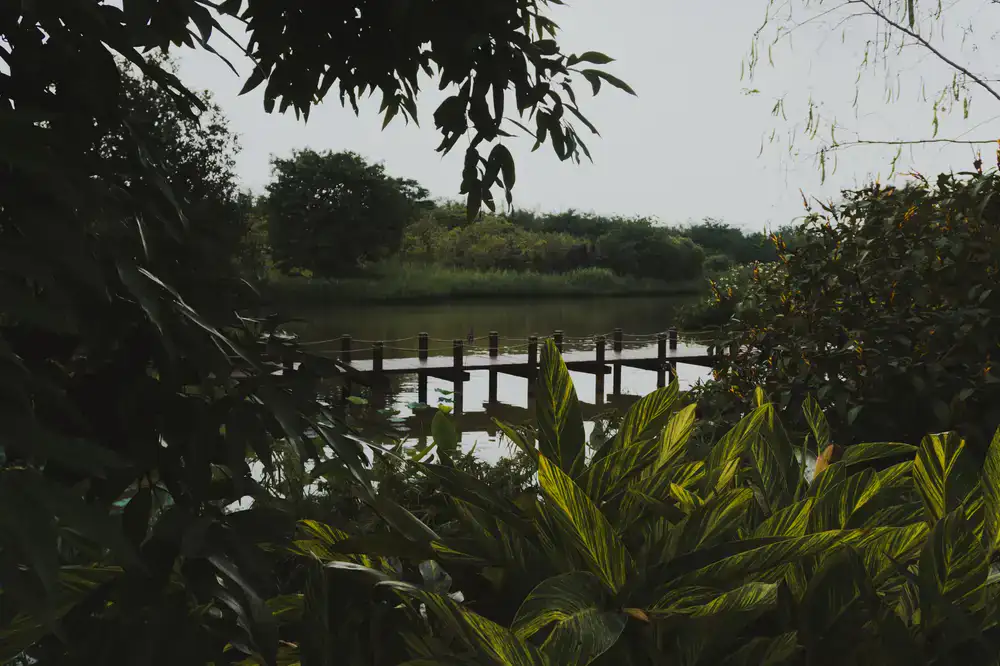
Where To Watch
Discover exceptional habitats and prime locations for observing rare and migratory species with optimal visibility.
Seasonal Movements
Spring Migration
Witness the arrival of breeding birds. Coastal wetlands become vital resting areas for waders and waterfowl moving northward.
Summer Breeding
Forest edges and inland meadows host nesting songbirds and raptors. Early mornings offer the clearest songs and territorial displays.
Autumn Passage
Large flocks gather on western coasts before crossing the sea. A prime time to test high-magnification scopes on distant seabirds.
Prime Habitats
Explore distinct ecosystems tailored for different viewing experiences, from vast tidal flats to ancient woodlands.
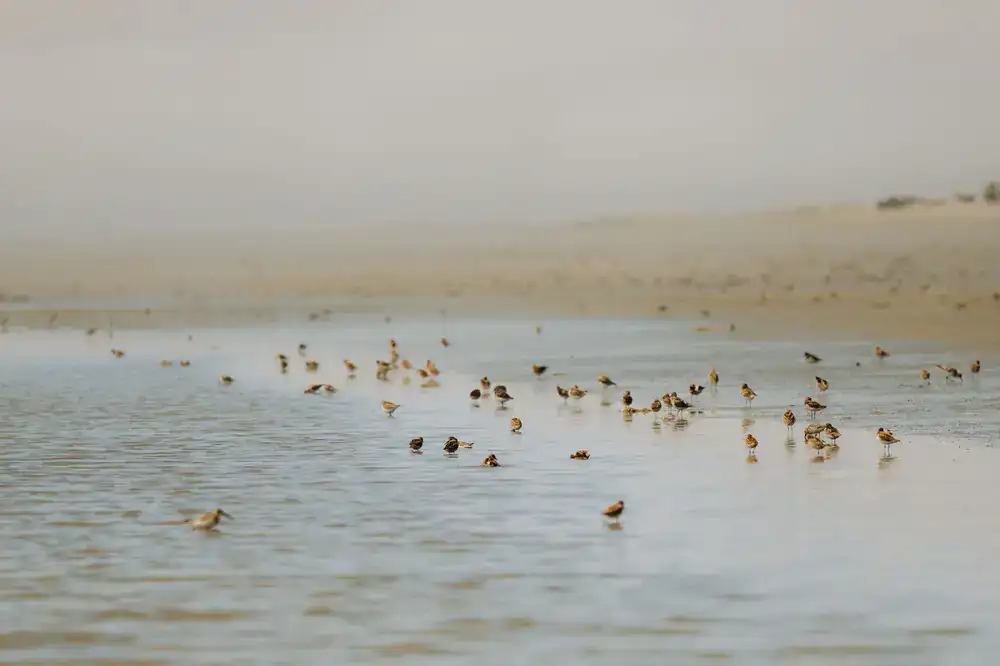
The Tidal Flats
Vast expanses of mudflats providing essential feeding grounds for thousands of migratory waders. Best viewed with an 80mm spotting scope.
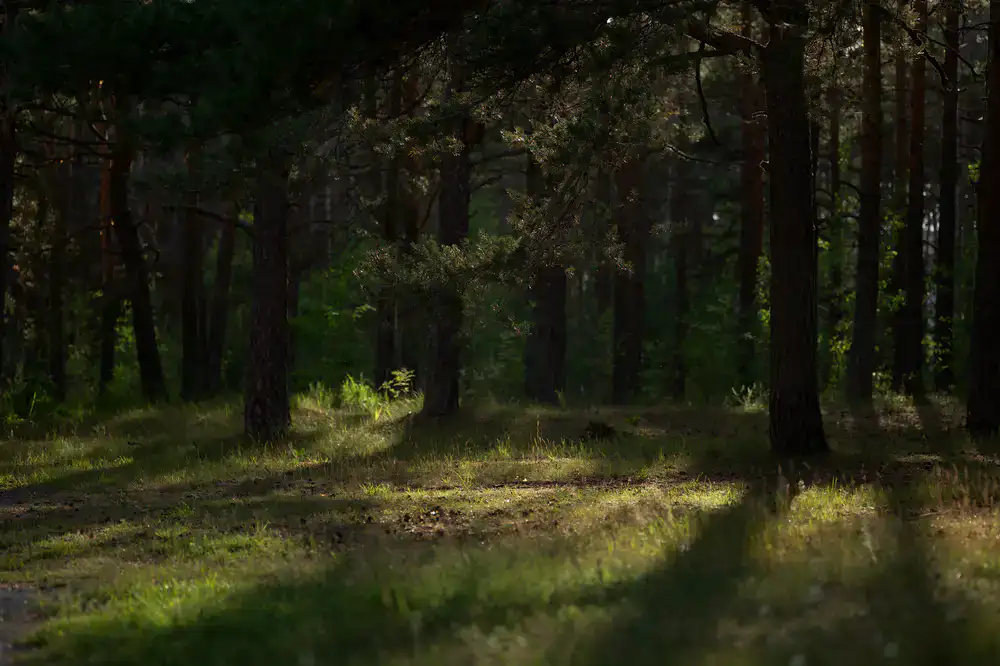
Old-Growth Forests
Ideal for spotting elusive woodpeckers and owls.
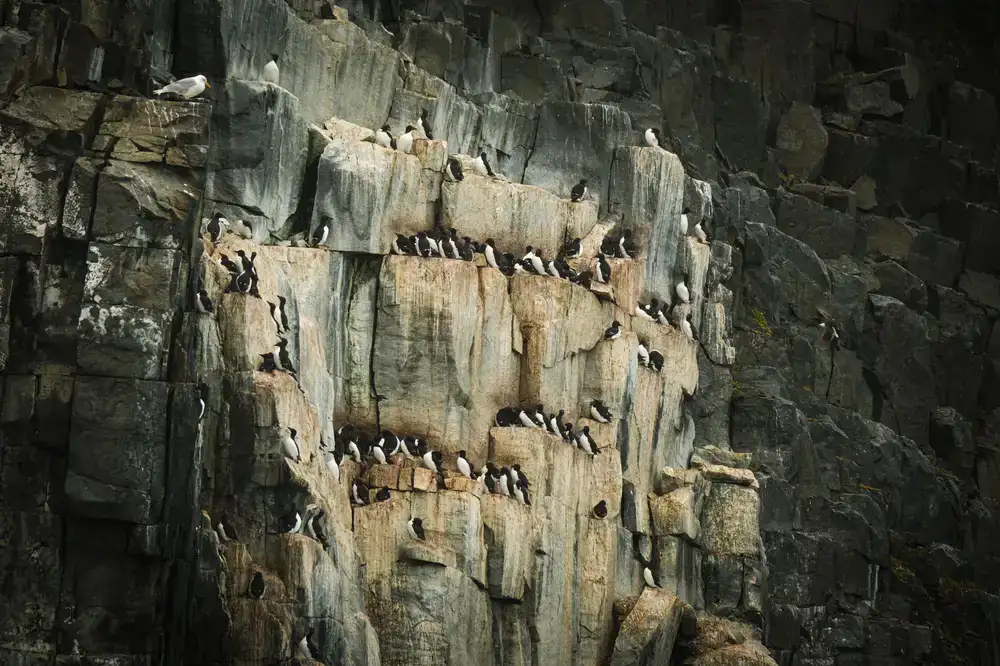
Limestone Cliffs
Dramatic vertical habitats for nesting seabirds.
Accessible Locations
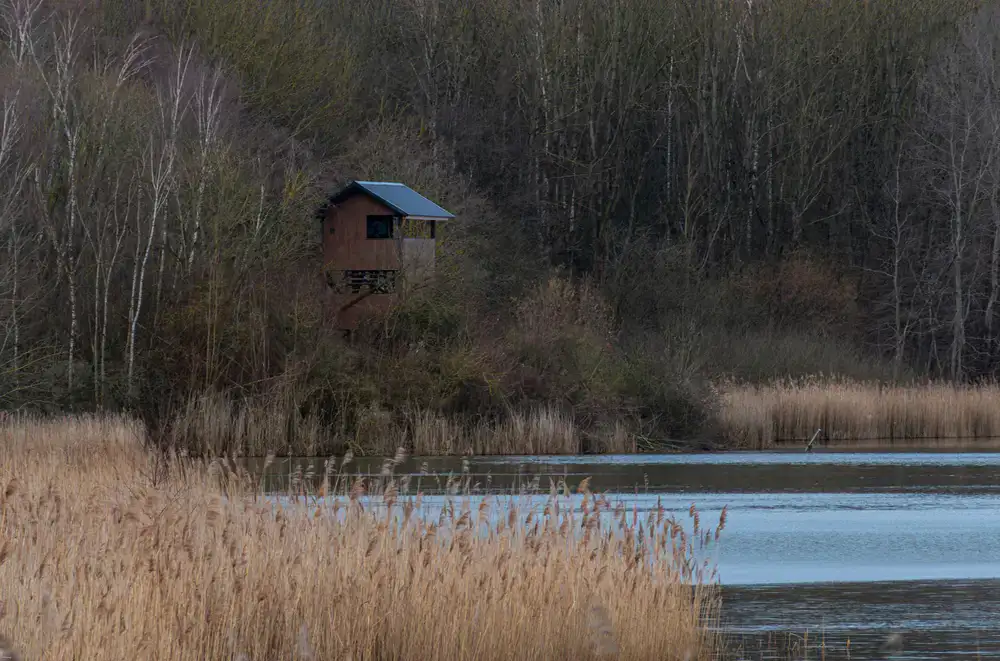
Eastern Lake Reserve
A calm inland lake featuring paved trails and elevated observation hides. Excellent for close-up views of dabbling ducks and herons.
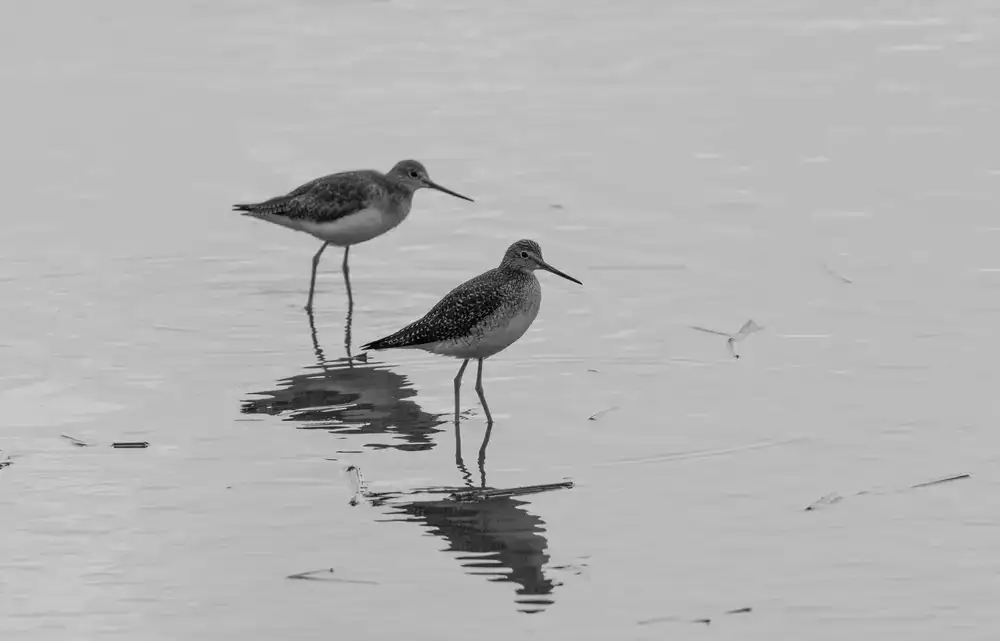
Southern Harbor Estuary
A sheltered coastal inlet. The predictable tides bring flocks close to the viewing platforms, making it ideal for standard 8x42 binoculars.
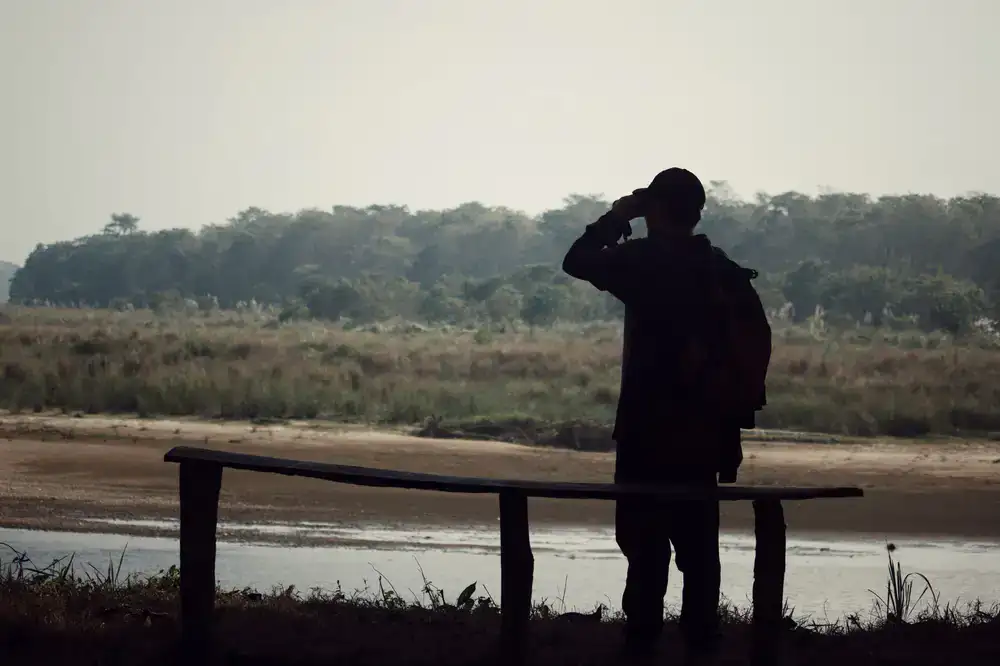
Respect the Habitat
Successful birdwatching relies on patience and minimal disturbance. Keeping a respectful distance ensures the birds remain relaxed and exhibit natural behaviors.
Rather than approaching too closely, we recommend investing in quality optics. A good spotting scope allows you to identify intricate plumage details from hundreds of meters away without causing stress to resting flocks.
- Stay on designated trails to protect fragile nesting grounds.
- Keep noise levels low to hear subtle calls and songs.
- Use high-quality binoculars or scopes instead of moving closer.
Need Guidance Choosing a Location?
Contact our ornithological experts for personalized advice on observation spots, guided excursions, and the best optics for your trip.